Autodesk offers a range of software across industries such as design, engineering, and entertainment. To help customers understand our offerings, product cards are used throughout the site to highlight key information effectively. However, one-off product cards had been created across the site, leading to inconsistencies. With different teams managing different product cards, updates had to be implemented multiple times across teams, creating unnecessary duplication of work.
The problem
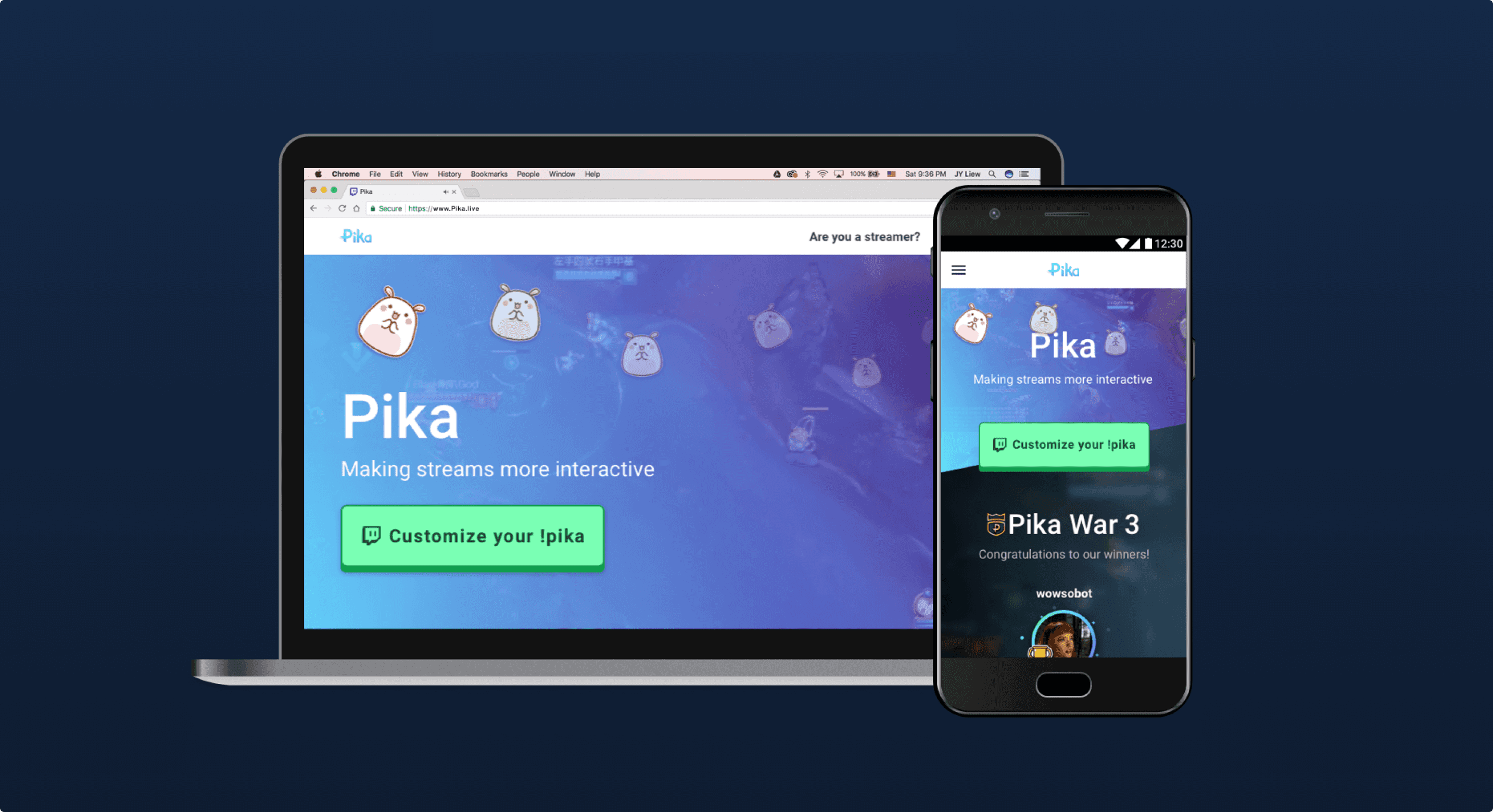
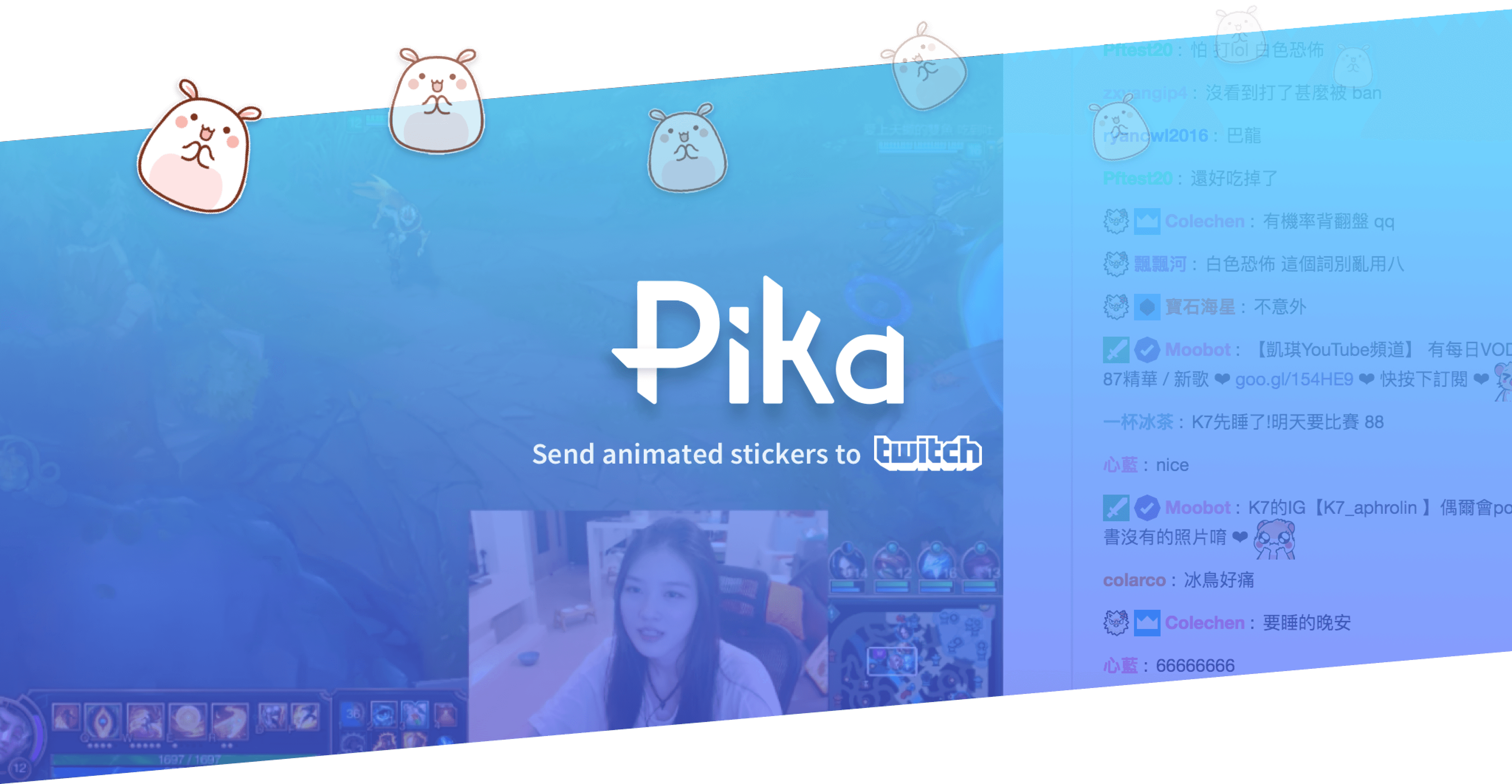
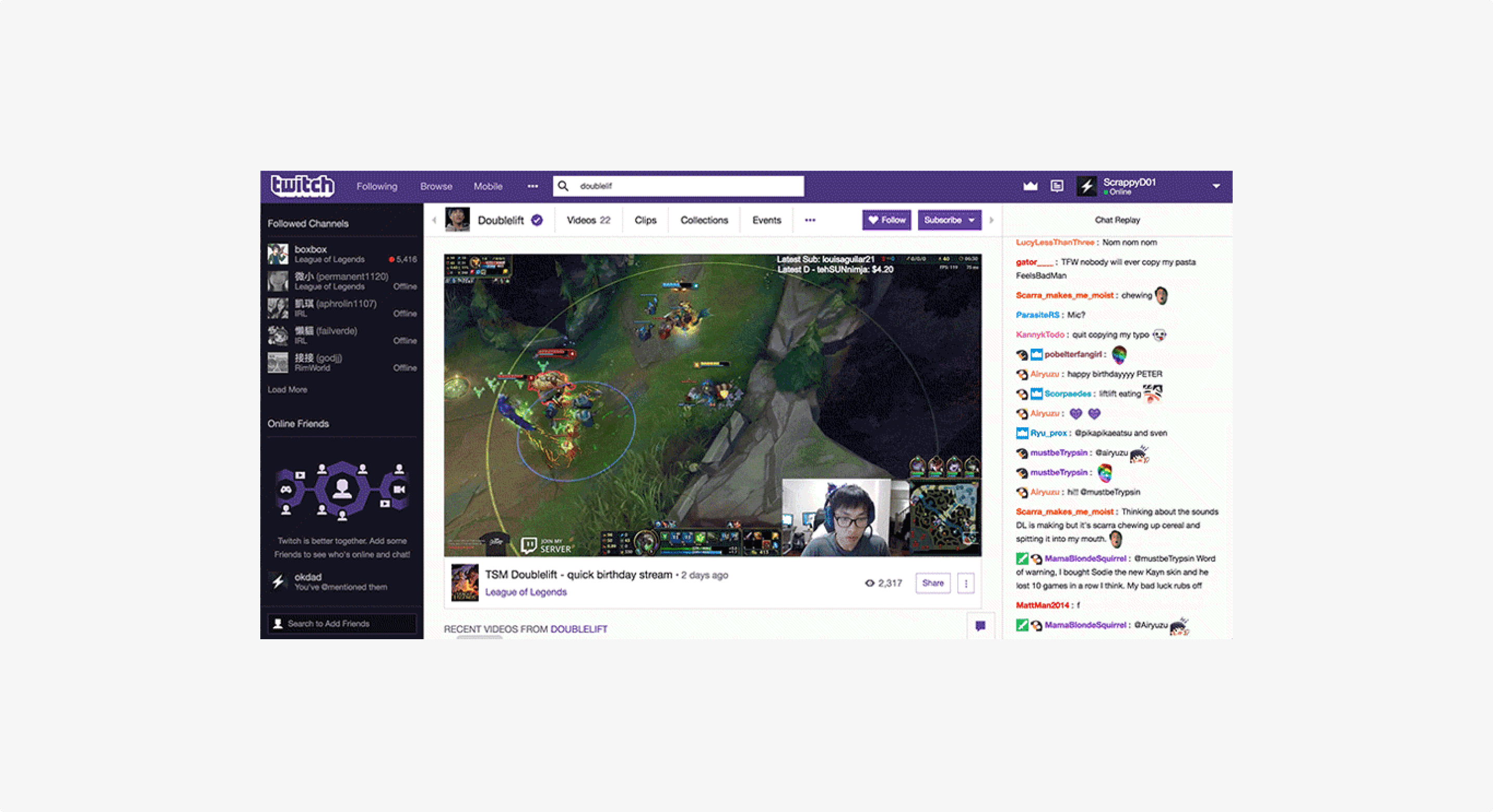
Although Twitch had a large and active community, interaction between streamers and viewers was largely limited to chat. Messages could easily get buried, making it difficult for streamers to notice and respond to their audience.
We wanted to create a more visible and engaging way for viewers to participate without distracting streamers from their gameplay.
My role
I worked with 2 Product Managers, 2 Product Designers, and 6 Developers to explore and design a new interaction experience for Twitch streamers and their audiences.
I contributed to the product strategy, research, interaction design, and iterative testing across the experience.
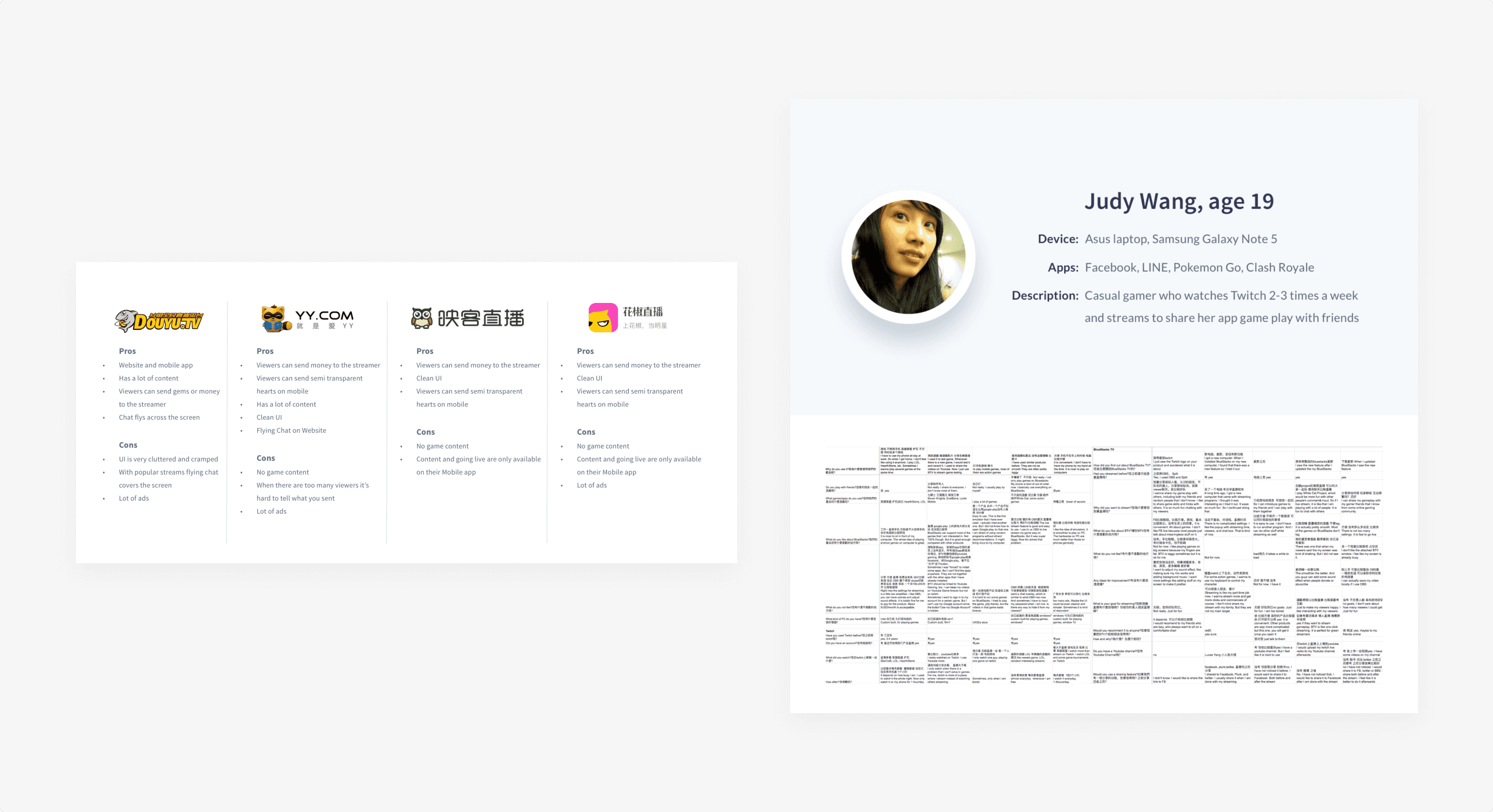
We started by speaking with streamers and viewers in Taiwan to understand how they interacted during live streams and what motivated them to participate.
For streamers, we found a constant balance between staying focused on gameplay and engaging with their audience. Viewers, meanwhile, wanted more opportunities to get noticed by the streamer and participate with the wider community.
We also conducted a competitive analysis and found that most platforms offered similar ways for viewers to interact, including emojis, donations, and animated stickers. Stickers stood out as a familiar and expressive way for viewers to communicate.
These insights led us to explore how we could make stickers more visible to streamers while keeping the interaction lightweight for viewers.
Our first concept paired a companion mobile app with a QR code displayed on the stream. Viewers could scan the code, open Pika, and send animated stickers that appeared during the stream.
We designed the experience to demonstrate Pika's value before asking users to sign in. Viewers could try a limited selection of stickers, while additional stickers were unlocked after logging in.
The concept gave viewers a dedicated way to interact, but it introduced a new problem: getting users to leave Twitch and download another app.
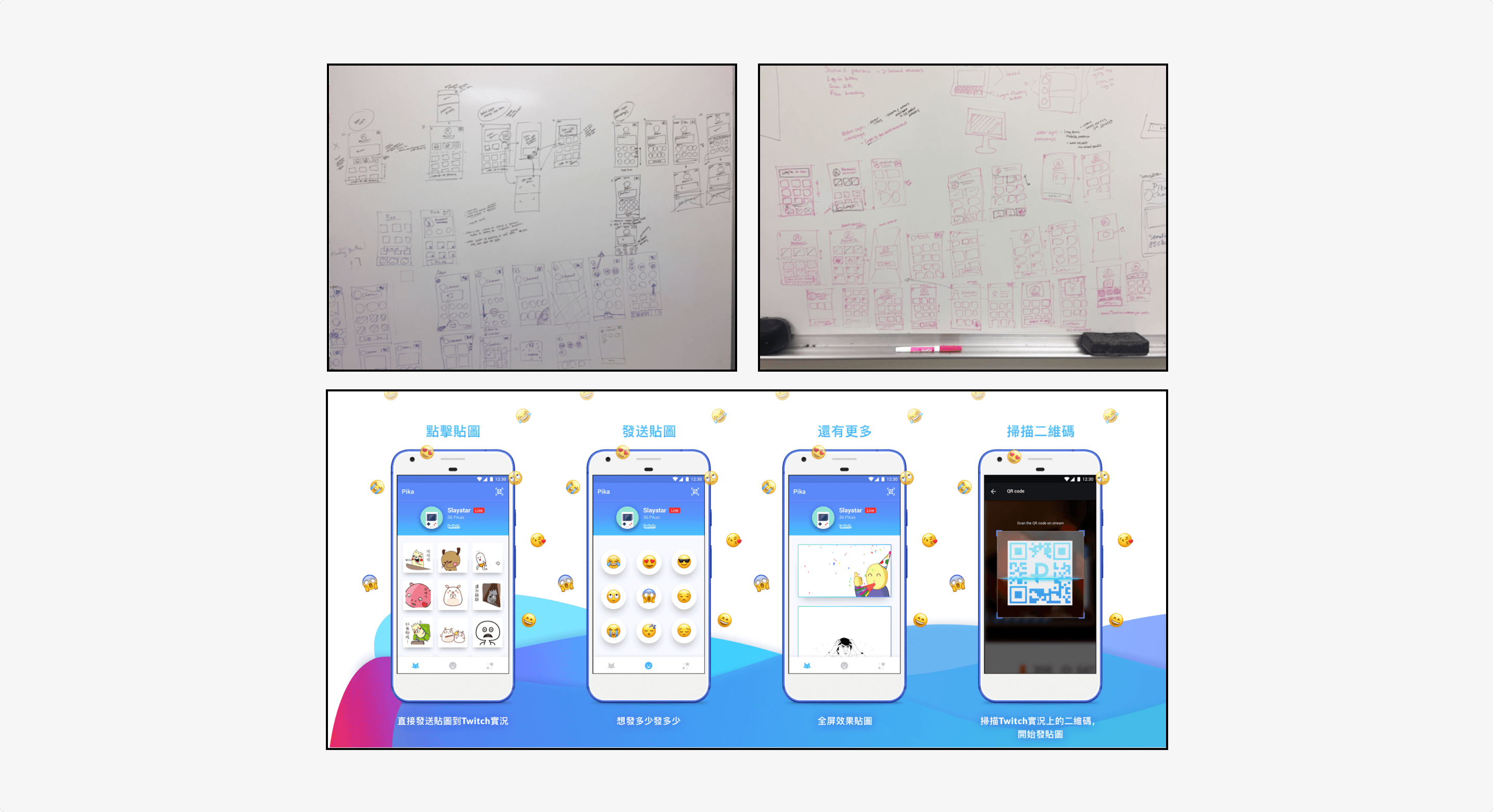
Testing revealed that the companion app created too much friction. Users had difficulty scanning the QR code while watching a stream, and downloading a separate app was another barrier to participation.
Rather than continuing to optimize an experience that required users to change their behavior, we went back to the original goal: make it easier for viewers to interact with streamers.
We simplified Pika around the behavior viewers were already familiar with—Twitch chat.
Instead of asking viewers to open another app, we mapped popular Twitch chat commands to animated stickers. During our observations of popular Taiwanese streams, we noticed viewers frequently used commands like 66666 and 777777 as expressions of emotion. We turned these familiar behaviors into stickers, allowing viewers to participate simply by typing a command they already knew.

For viewers who wanted to engage more deeply, Pika also offered an account experience where they could track their progress, including stickers sent, games won, and other activity. While this wasn't required for the core interaction, it gave more dedicated users a way to see their participation and stay engaged with Pika over time.
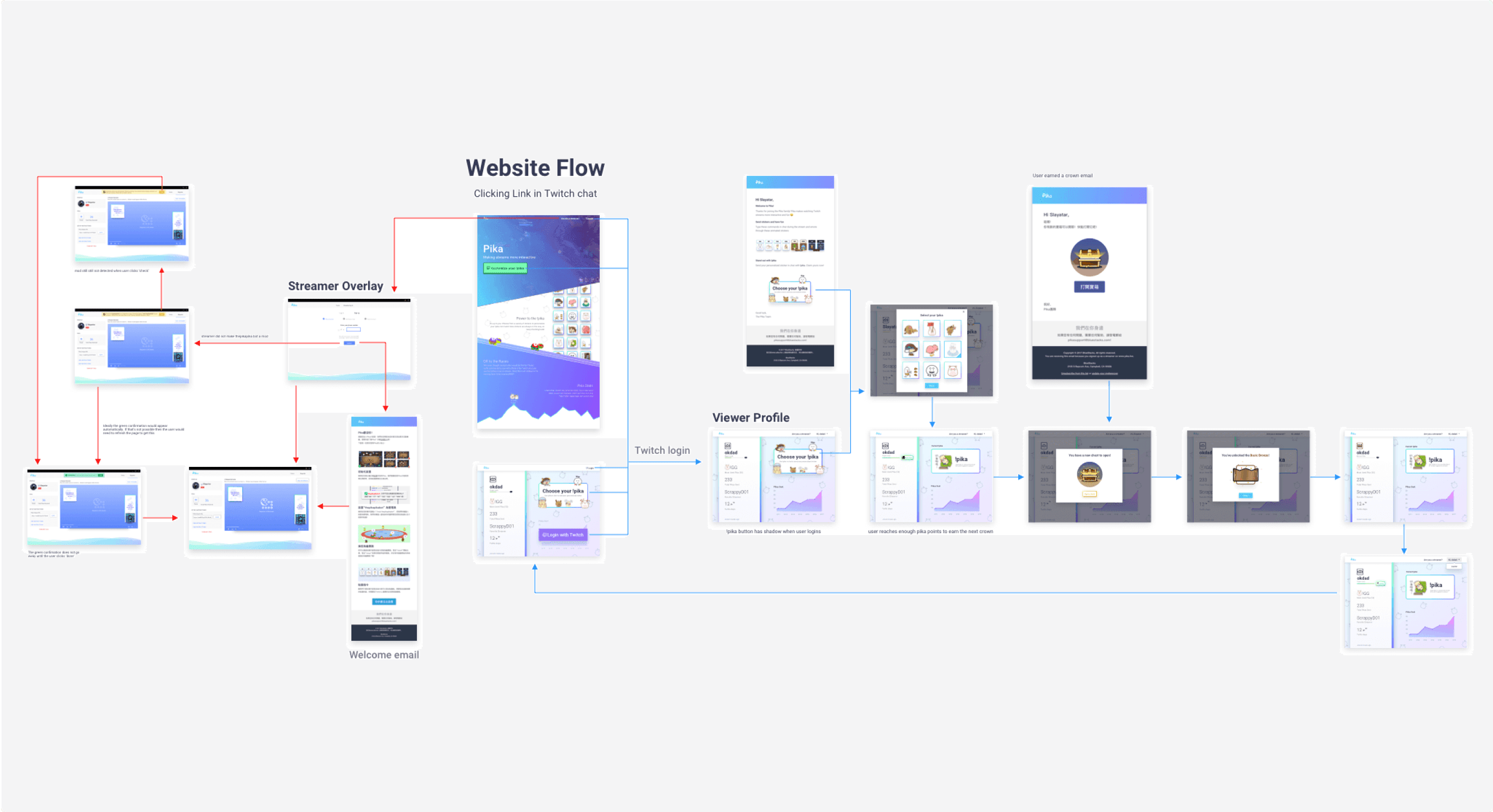
Moving Pika into Twitch chat made the experience significantly easier to adopt. Viewers could use commands they were already familiar with, while streamers could see audience reactions directly within their streaming setup without interrupting gameplay.
In the first 30 days, 50 streamers adopted Pika. Within 90 days, viewer engagement—measured by sticker usage—increased by 300%.